
Generator: How to Select the Best Generator for Home Backup Power
Should an unplanned power loss occur, a generator can save the day. It’s crucial to have a stable backup power source in case of a significant storm or a local power outage or just to feel secure in the knowledge that your house is secure. Given that generators come in a variety of sizes and types, it is imperative that you choose the right one for your needs. When it comes to helping customers choose the best generator to keep their homes running smoothly during blackouts and other electrical services, we at TF Electric are specialists. This article will guide you through every facet of generators, from understanding the many types to choosing the ideal one for your home. Alright, let’s get going!
A Generator: What Is It?
During blackouts, a generator is an essential instrument for supplying backup power. Your home or place of business will continue to function even if the main power supply is shut off, thanks to the conversion of mechanical energy into electrical energy. A generator’s basic components include an engine, an alternator, a fuel system, a voltage regulator, cooling and exhaust systems, a control panel, and more. Fuel, such as gasoline, diesel, propane, or natural gas, drives the engine through the alternator. This electrical energy is then used by your home’s electrical system to power appliances, lights, and other essential devices.
Generators come in various sizes and types and are designed to meet a wide range of power requirements. Whether you want a small portable generator for camping trips or a large standby generator that can power your entire house, choosing the ideal generator requires understanding how it works. Your choice of generator will be influenced by several factors, including the amount of power required, the fuel type that is available, and how long you need the backup power to endure. When you know these basics, you can choose wisely and be sure that your generator will run smoothly and dependably when you need it most.
Types of Generators
In general, generators can be classified into three main types:
Portable Generators
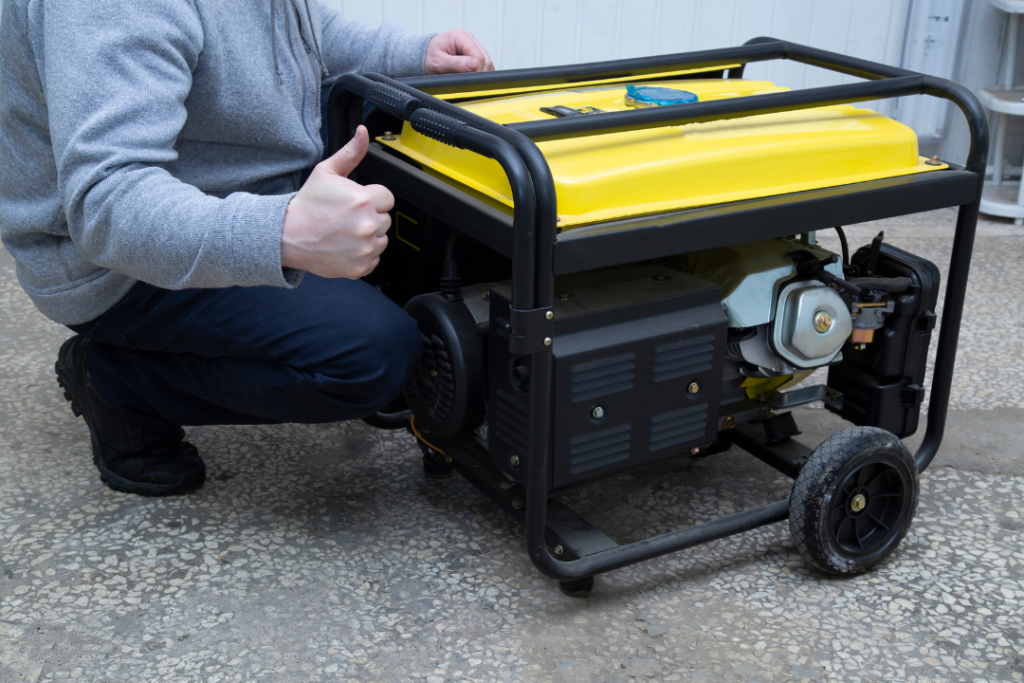
Portable generators are multipurpose, easily transportable, and lightweight equipment. They are ideal for use when camping or in other outdoor settings, as well as for providing essential tools and appliances during brief blackouts.
Standby Generators
Standby generators are permanently positioned outside your home and automatically begin to run when the electricity is off. Because they can power your entire house and are connected to your home’s electrical infrastructure, they are a dependable option for prolonged blackouts.
Inverter Generators
Modern inverter generators are well known for their fuel efficiency and quiet operation. For fragile electronics, they are ideal because they offer clean, consistent power without any spikes.
Portable Generators
Advantages
- Easy to transport and store
- Lower initial outlay
- Flexible use case
Limitations:
- Shorter duration of the run
- Requires manual operation
- Restricted output of power
Ideal Applications:
For brief power outages or outdoor activities like camping, portable generators are the perfect temporary power source.
Standby Generators
Benefits:
- Its duration is extended;
- Able to supply power to the whole home;
- Powers your home automatically in the event of a blackout
Limitations:
- Higher costs associated with installation and maintenance
- Not transportable
- Fixed in place
Ideal Applications:
Households seeking a seamless, automated backup power solution that can endure protracted blackouts would be well-suited for standby generators.
Inverter Generators
Benefits:
- Economical with fuel
- Quiet functioning
- Produces clean energy
Limitations:
- Greater in cost
- Restricted output of power
Ideal Applications:
When sensitive equipment needs to be powered or noise pollution is a concern, inverter generators are the best option.
Important Considerations for Selecting a Generator
Remember the following crucial considerations when choosing the best generator:
Maximum Power
The first step in selecting a generator is obtaining the required electricity. This will depend on how big your house is and how many appliances and devices you want to be able to use in the event of a blackout.
Type of Fuel
Generators can run on diesel, gasoline, propane, and natural gas. Each fuel type has benefits and drawbacks, including availability, cost, and environmental effects.
Run Time
What is your generator’s intended runtime? Certain generators can operate for multiple hours on a single fuel tank, while others are designed for extended periods of time.
Level of Noise
The noise level may be very important if you plan to use your generator for camping or live in a quiet neighborhood. The quietest option is usually an inverter generator.
Power Output: Understanding Your Needs
Knowing how much electricity a generator can generate is crucial if you want to ensure that your home is fully functional in the event of a blackout. The first step is to determine how much power each appliance and device will use. Put lights, air conditioners, freezers, and medical supplies at the top of the list of essentials. The amount of electricity required for any given device to operate is indicated by its wattage rating. For example, a refrigerator may require 600 watts, while a central air conditioner may require up to 3,500 watts. By adding up the wattages of each of these devices, you can approximate the overall power output that you need from a generator.
However, the beginning and running wattages of your equipment must be taken into account. A greater power surge is frequently required to turn on a lot of devices before they reach their normal operating wattage, particularly those that have motors. For instance, a refrigerator may start at 1,800 watts yet require just 600 watts to operate. To ensure that your generator can survive this spike, choose a model whose power output exceeds your total expected needs. It’s always better to select a generator with a capacity that is somewhat larger than what you think you’ll need because it serves as a buffer and prevents overloading.
Fuel Type: Which One Suits You Best?
The fuel type you select can have a big impact on the effectiveness of your generator, the cost of operation, and the environmental impact. Natural gas, propane, diesel, and gasoline are the most often utilized fuel kinds; each has advantages and disadvantages of its own. Gasoline can be the most widely used fuel because it is easily accessible and has a low starting cost. However, the shelf life of gasoline is lower, storing significant amounts of it can be challenging, and prolonged blackouts can cause gasoline to run out. On the other hand, diesel generators are well known for being dependable and fuel-efficient. Over time, diesel is a more cost-effective option because it uses less fuel to produce the same amount of power as gasoline because to its higher energy density. If you live in a peaceful neighborhood, you might want to consider the fact that diesel generators can be noisy and generally cost more.
Propane and natural gas are more environmentally friendly fuel sources since they burn cleaner. Propane is a reliable option for occasional use because it doesn’t break down over time and may be stored indefinitely. For those who reside in colder climates, it’s also a terrific alternative because of how effectively it works there. Natural gas is usually supplied by a direct connection to your home’s gas line and has the benefit of not requiring manual replenishment. This makes it a fantastic choice for continually operating automatic standby generators. However, natural gas and propane generators often have greater starting costs and may require more complex installations. When choosing the ideal fuel type, consider factors such as local fuel availability, storage requirements, environmental impact, and frequency of usage for your generator. You can be sure that you’ll acquire the best gasoline type for your needs if you make this deliberate decision.
Run Time: How Long Should Your Generator Last?
Run time is also another crucial factor. If powering a few essential goods for a few hours is all you need, a portable generator with a shorter run time can be sufficient. If you need a generator to power your entire house for a longer period of time, you’ll need one with a larger fuel tank and a longer run duration.
Level of Noise: Maintaining Silence
It is important to take into account a generator’s noise level, especially if you live in a densely populated location or plan to use it somewhere quiet and peaceful, such as on a camping trip. Generators emit a wide variety of noise levels in decibels (dB). In comparison, the typical conversational loudness is roughly 60 dB. However, some older, stronger generators have noise levels as high as 90 dB or higher, which is equivalent to the noise produced by a lawnmower. Such excessive decibel levels may annoy your neighbors in addition to upsetting your family. You must ascertain the generator’s noise level in order to ensure that it meets your needs without causing unnecessary inconveniences.
Often, the best solution for those who are concerned about noise is an inverter generator. These models are designed to work at substantially lower noise levels, usually between 50 and 60 dB, so they are as quiet as a normal conversation. They operate silently because of their state-of-the-art technology, which adjusts engine speed in response to power demands rather than running at maximum throttle all the time. Both noise levels and fuel efficiency are decreased by doing this. Certain backup generators can have sound-dampening materials installed or come with noise-reducing casings to further reduce operational noise. Selecting a generator that strikes a balance between power output and acceptable noise levels is crucial, keeping in mind the surroundings in which it will be utilized. You may maintain the comfort and tranquility of your surroundings while still enjoying dependable backup power in this way.
Guidelines for Installation and Maintenance
To guarantee your generator runs well when you need it most, proper installation and maintenance are crucial after you’ve chosen the right model. To ensure that everything is configured correctly during installation, it is recommended that you hire a professional like the experts at TF Electric. It will carry on in superb shape. Performing routine maintenance on a generator involves using it sometimes, checking the oil, and changing the air filter.
Why Opt for TF Electric?
Being the go-to experts for generator installation and maintenance makes us at TF Electric very happy. Our years of experience and commitment to customer satisfaction mean that we can ensure the precise installation and highest quality maintenance of your generator. Our team is here to provide ongoing support and help you choose the best generator for your home.
In Conclusion
The ideal generator for your home should be chosen after carefully considering your power needs, desired generator type, fuel options, run time, and noise level. In addition to ensuring that your home is constantly prepared to survive an outage, TF Electric is here to assist you in making these selections. Reach out to us immediately to choose the best generator for your needs and experience the peace of mind that comes with dependable backup power. Give (978) 479-9030 a call for all your electrical-related services.
Q&As
1. What size generator is necessary for my home?
The number of generators you require depends on how many watts your desired blackout power source is for your appliances and other devices. It is wise to ascertain your total power needs and choose a generator that can handle that load.
2. How much does installing a generator cost?
Depending on the size, type, and complexity of the installation, installing a generator might be costly. Ask TF Electric for a detailed quote that is tailored to your needs.
3. Can I run my generator continuously?
It’s crucial to maintain your generator correctly and adhere to the manufacturer’s recommendations because damage can still happen, even to generators designed to run continually.
4. How often should I service my generator?
It takes frequent maintenance to keep your generator operating at peak efficiency. The generator must occasionally be operated, the filters must be changed, and the oil must be checked to ensure that it is ready for use when you need it.
5. What benefits could an emergency power source provide?
With a standby generator, you can have automatic, consistent backup power for your entire house, so you never have to worry about being without electricity during an outage.